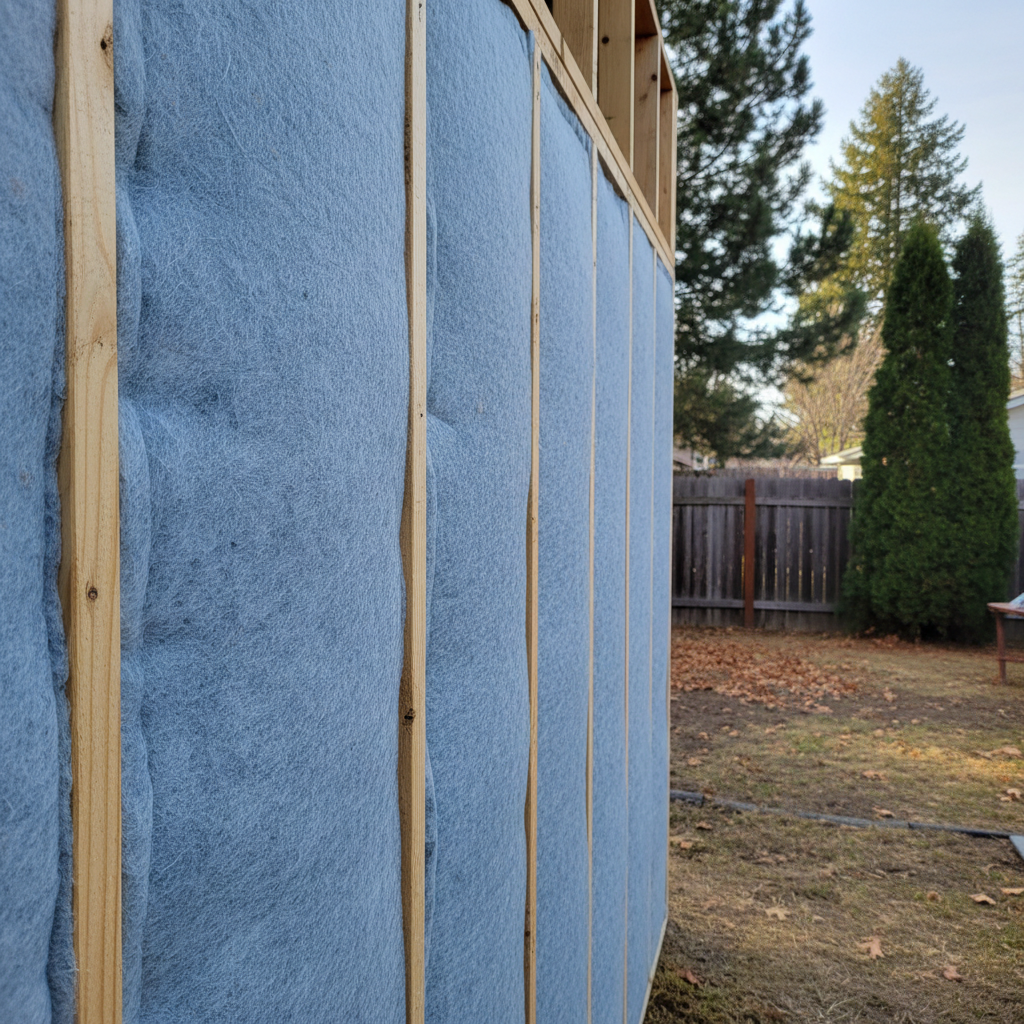
Your shed isn't just some glorified storage box, right? For plenty of folks here in Spokane, it's a workshop, maybe a potting shed, a home gym, or even just a quiet spot to get away. But if it's freezing all winter and then roasting all summer, you're probably not getting much use out of it. Insulating your shed can totally change that, making it a usable space no matter what kind of weather the Inland Northwest decides to throw at us.
Why Even Bother Insulating Your Shed?
It's pretty simple, actually: comfort and protection. If you're spending any real time out there, insulation makes it way more pleasant. You won't be shivering while you're trying to fix a bike or sweating buckets potting plants. Beyond just feeling good, it also protects whatever you're storing. Tools, paints, chemicals, even sensitive electronics – none of them really like those extreme temperature swings. A well-insulated shed keeps them safer, and it can even help stop rust or damage from freezing.
Before You Start: Planning Your Shed Insulation Project
First off, figure out what you're actually using the shed for. That'll pretty much tell you how much insulation you truly need. If it's just for a lawnmower, you probably won't go as all-out as you would for, say, a dedicated woodworking shop. Also, take a good, hard look at your shed's structure. Is it old and drafty? You'll want to seal up any major gaps or cracks before you even think about putting in insulation. That means checking around windows, doors, and where the walls meet the roof and floor.
You'll also need to pick your insulation type. There are a few common ones that really work well for sheds:
- Batts (fiberglass or mineral wool): These are probably what pops into your head when you think "insulation." They're affordable and pretty easy to cut and fit between studs. Just remember to wear gloves, a mask, and long sleeves – that stuff can be super itchy.
- Rigid Foam Boards: Think of these as big, stiff sheets of foam. They give you excellent R-value (that's how much the insulation resists heat flow) for their thickness. You can cut them with a utility knife, and they fit in nice and snug. Good for walls, floors, and ceilings.
- Spray Foam: Now, this is where Spokane Spray Foam Insulation really shines. For a shed, you'd typically be looking at a DIY foam kit if you're tackling it yourself. It expands to fill every little nook and cranny, creating an amazing air seal. It's a bit more involved to put in than batts or boards, sure, but the results are absolutely top-notch.
The DIY Approach: What You Can Actually Do Yourself
Most homeowners can handle putting batt or rigid foam board insulation into a shed. It's not exactly rocket science, but it does take some patience and attention to detail. Here's a quick rundown:
- Seal Air Leaks: Seriously, do not skip this step. Use caulk around windows and doors, and expanding foam for any larger gaps. Air sealing is honestly half the battle.
- Walls: If you've got exposed studs, measure the space between them and cut your batts or foam boards to fit snugly. You want them tight against the sheathing, but not squished. If you're using foam boards, you might need a little expanding foam around the edges to properly seal them up.
- Ceiling: This is pretty much like doing the walls. If you have exposed rafters, just fit the insulation between them. You'll want to leave an air gap between the insulation and the roof decking, especially if you have a metal roof that can get incredibly hot. Ventilation is super important here.
- Floor: If your shed is up off the ground, you can insulate the floor joist cavities from underneath. Rigid foam boards are great for this, or even batts held in place with netting or wire. If it's sitting on a concrete slab, you're a bit more limited, but you can always lay down rigid foam boards and then put plywood over them to create an insulated subfloor.
- Vapor Barrier: In our climate, especially with those cold, damp Spokane winters, you'll definitely want a vapor barrier on the warm side of your insulation (that's the inside of the shed). This stops moisture from getting into your insulation and causing problems. A simple plastic sheeting works just fine.
Once the insulation is in, you'll probably want to cover it with plywood or OSB for a finished look and some extra protection. This also makes it way easier to hang shelves or tools.
When to Call a Pro for Your Shed
Look, I'm all for doing things yourself, but there are times when it just makes sense to bring in the experts. If your shed is particularly big, has a really complex structure, or if you're going for maximum energy efficiency – maybe you're turning it into a year-round office, who knows? – then professional spray foam insulation is probably your best bet. A pro can apply closed-cell spray foam, which gives you the highest R-value per inch, acts as its own vapor barrier, and provides incredible structural rigidity to your shed. It’s a permanent solution, meaning you won't have to worry about it settling or dealing with moisture issues down the line.
Also, if you're just not comfortable working with some of the materials, or if you simply don't have the time, that's another good reason to call. We've seen plenty of sheds that start as a DIY project and then end up needing a professional touch to get them right. It's usually better to get it done right the first time, especially when it's something that's going to protect your belongings and make your space more usable.
No matter if you're going DIY or calling us at Spokane Spray Foam Insulation, insulating your shed is a smart move. You'll thank yourself every single time you step into a comfortable, protected space, instead of a glorified icebox or oven.