Why Bother Insulating Your Garage?
Let's be honest, your garage isn't just for parking cars anymore, is it? For a lot of us here in Spokane, it's turned into a workshop, a home gym, a place to stash extra stuff, or even a hangout spot for the kids. But if it's freezing in winter and absolutely baking in summer, you're really not getting the most out of that space. Insulating it makes a huge difference, not just for comfort, but for keeping those utility bills from getting out of hand – especially if you've got a finished room right above it. Seriously, think about it: that uninsulated garage door and those walls are basically giant holes letting heat escape or creep in.
Before You Start: The Planning Stage
Okay, so you're ready to tackle the garage. Good. First up, you've got to figure out what kind of garage you're dealing with. Is it attached to your house, or is it a standalone building? Does it have heat, or is it unheated? These details really change your approach. If it's attached and unheated, your main goal is to stop heat from moving between the garage and your living areas. If it's detached and you plan to heat it, then you're aiming for a complete thermal envelope.
Next, take a good, hard look at your walls and ceiling. Are they open studs, or are they already covered with drywall? If they're open, you'll have much easier access for insulation. Drywalled? Well, that means you're either looking at a bigger demolition job or you'll need specific types of insulation that can be blown in. And don't forget the garage door itself – that's a massive surface area that people often overlook.
You'll also want to consider your budget and what you're actually trying to achieve. Are you just hoping to take the chill off, or do you want a truly temperature-controlled space? This will help guide your material choices.
DIY vs. Calling a Pro: Where to Draw the Line
This is where many folks get hung up. Here's my honest take on it:
- Garage Door Insulation Kits: Totally a DIY job. You can grab these at pretty much any home improvement store. They're usually rigid foam panels you cut to size and stick onto the inside of your garage door. They definitely make a noticeable difference for not much money or effort.
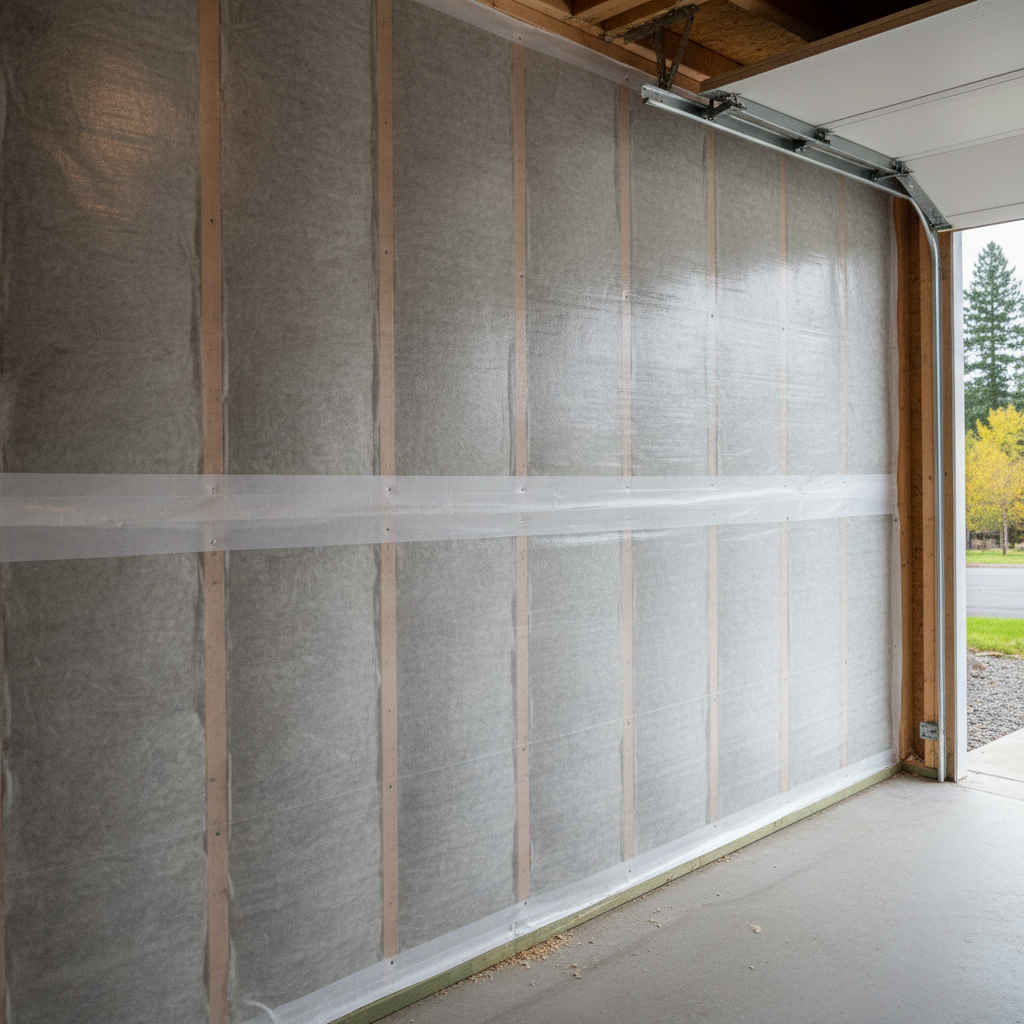
- Open Stud Walls (Batt or Rigid Foam): If your garage walls have open studs – meaning you can see all the wood framing – putting in batt insulation (fiberglass or mineral wool) or rigid foam boards is a fairly straightforward DIY project. Measure carefully, cut accurately, and make sure everything fits snugly without squishing the material too much. You'll definitely want to wear protective gear: gloves, long sleeves, and a good respirator, especially if you're working with fiberglass.
- Attic/Ceiling Above Garage (Open Joists): Similar to open walls, if you've got open joists in the ceiling over your garage, you can lay down batt insulation or blow in loose-fill cellulose or fiberglass yourself. Renting a blower isn't too tough, but it can get messy. Just be sure you're not blocking any soffit vents if your garage has them.
- Existing Drywalled Walls/Ceiling: This is probably when you should call in someone like us at Spokane Spray Foam Insulation. If your walls are already finished, you'll need to drill holes and blow in insulation (like cellulose or spray foam). This takes specialized equipment and real expertise to do right, without damaging your walls or leaving empty spots.
- Spray Foam Insulation: For walls, ceilings, or rim joists – especially if you're aiming for the absolute best air sealing and R-value – spray foam is the way to go. But it's not really a DIY product for most homeowners. It needs specific equipment, strict safety rules, and a trained hand to apply correctly. You really don't want to mess this up; it's permanent.
During the Project: What to Watch For
If you're doing it yourself, how well things fit is everything. Gaps, even tiny ones, let air leak through and totally defeat the purpose of insulating. Cut your insulation so it fits nice and snug between studs or joists. Don't leave big empty spaces. If you're using faced insulation (the kind with a paper or foil backing), make sure that facing is put in correctly – usually facing the side that will be heated. And always, always wear your safety gear. Spokane dust can be bad enough, but insulation particles are a whole different ballgame.
If you hire a pro, make sure they're reputable. Ask for references, double-check their licensing, and get a detailed quote. A good contractor will explain exactly what they're doing and why.
After the Project: Enjoy the Benefits
Once your garage is insulated, you'll notice the difference right away. That biting cold from a typical Spokane winter won't feel so harsh when you step out of your house into the garage. Your tools won't feel like ice blocks, and if you're working out there, you'll be much more comfortable. If you've got a room above the garage, you'll likely feel a significant improvement in how stable its temperature is, and maybe even see a drop in your heating and cooling bills.
Keep an eye out for any moisture issues, though. Insulating can sometimes change how moisture behaves, so make sure you've got good ventilation if you're doing things that create a lot of humidity, like laundry or certain hobbies. Most garages, especially older ones in places like the South Hill, weren't built with modern insulation standards in mind. A little insulation can really go a long way in making that space truly usable year-round.